How to Use Rock Salt Responsibly

During the winter months, rock salt – also known as road salt – is widely used to keep driveways, sidewalks, and roads safe by preventing snow and ice buildup. Improper or excessive use of road salt can lead to significant environmental and structural issues.

Excess road salt washes into nearby soils and storm drains ending up in our groundwater, wetlands, and waterways. Over time the salinity levels of our fresh water resources are elevating. Elevated salt levels can harm aquatic life and damage vegetation near roadways and homes.

Chloride in road salt can corrode metal, concrete, bridges, vehicles, drainage systems, highway fixtures and drinking water pipes. Water treatment facilities deal with corrosion regularly, and the problem worsens as chloride concentrations increase. As salt accelerates the corrosion of pipes in our water systems, it allows for the leaching of metals, including dangerous metals like lead, into our drinking water. Salt is highly corrosive and can damage the undercarriage and brake systems of cars parked or driven over salted areas.

Best practices for residential salt application

Delaware residents can help reducing these impacts by applying salt responsibly around their homes. Here are some key recommendations:

  • Shovel First, Salt Sparingly: Clear as much snow and ice as possible with a shovel or snow blower before applying salt.

  • Use the Right Amount: More doesn’t improve effectiveness. A 12-ounce coffee cup of salt can cover about 10 sidewalk squares or a standard-sized driveway.

  • Consider Alternatives: For areas close to vegetation, pets, or water sources, consider alternative de-icing materials like sand, magnesium chloride, or calcium chloride. These are often less harmful to the environment when used in moderation.

  • Time It Right: Apply salt before snow starts falling or immediately after clearing snow, as it works best on thin layers of ice. Avoid salting when temperatures drop below 15°F, as salt is less effective in extremely cold conditions.


Working together for a safer winter

Smart salt practices can help maintain safety during winter while reducing harm to the environment and protecting infrastructure. Moderation is key — use only what’s needed, choose eco-friendly options when possible, and prioritize shoveling before salting. Together, these steps ensure that safety doesn’t come at the expense of Delaware’s natural resources or infrastructure.

Ready to do more? Share this post with a friend and become a Clean Stream Champion!


Delaware Currents. “EPA Funds UD Research into How Road Salt and Climate Extremes Are Changing Wetlands.” Delaware Currents, 21 Aug. 2024, https://delawarecurrents.org/2024/08/21/road-salt-wetlands/.

Delaware Department of Transportation. “Snow and Ice FAQs.” DelDOT, https://deldot.gov/About/faqs/index.shtml?dc=snowFAQ.

United States Environmental Protection Agency. “Winter is Coming! And with it, tons of salt on our roads.” EPA, 2024, https://www.epa.gov/snep/winter-coming-and-it-tons-salt-our-roads.

Smart Recycling Tips for Delawareans

Dispose of household chemicals, trash, and recyclables appropriately. By keeping waste out of sewers, storm drains, and rivers, we can all play a part in keeping Delaware’s waterways clean!

Recycling in Delaware

When in doubt, check the product label or the Delaware Solid Waste Authority for the proper disposal method. Here’s a handy flyer explaining what you can/cannot put in your recycling bin.

Free collection programs

Did you know that Delaware Solid Waste Authority has FREE* collection programs for many environmental hazards including anti-freeze, Styrofoam, and latex paint? Many items are NOT accepted through most solid waste and recycling programs including but not limited to:

  • Batteries
  • Anti-freeze
  • Oven cleaner
  • Nail polish and remover

The Delaware Solid Waste Authority accepts electronics, televisions, polystyrene (also known as Styrofoam), small appliances, and more! Click on their program logos below for a complete list of programs and details.

Think before you buy

Is there an environmentally friendly alternative?

  • Wrapping paper with glitter, foil, or other embellishments is not recyclable. Try upcycled paper bags with non-toxic paint, markers, or crayons for a DIY personal touch.
  • Cleaning out your desk? Check DWSA for household paper shredding events. Laminated or shredded paper is not recyclable, as it clogs recycling machines. Dispose with regular household trash.
  • Swap harsh chemicals for non-toxic products when you can – hot water, borax, or baking soda goes a long way on stubborn stains.
  • Instead of adding to consumer waste, consider donating clothes and toys, shopping your favorite thrift store, or swapping unwanted items in social media groups.

Ready to do more? Share this post with a friend and become a Clean Stream Champion!

*DSWA hazardous household waste is free for Delaware residents, check each program for more details. They even do pick ups for non-profits and schools!

Fall Garden Tips for Water and Wildlife

Winter is a difficult season for wildlife, but some simple steps can keep your yard a healthy habitat.

Add native plants this fall

A close up of a purple native plant

The cool temperatures and reliable rainfall mean the plants will be less stressed as they won’t lose as much water from their leaves. Plus, the plants have a chance to get settled and establish new roots giving them a head start on growth the following spring. Most trees, shrubs and perennials will thrive but avoid planting evergreens in late fall as harsh winds can make them more susceptible to drying out when the soil freezes.

If necessary, fertilize lawns in the fall

When the weather gets cool, lawns start to concentrate on growing new roots and grass plants. Fertilizing in the fall leads to a healthier lawn in the spring. Test your soil before fertilizing, though – most lawns won’t need any extra nutrients. Visit Delaware Livable Lawns for a free soil testing kit!

Leave the leaves!

You can keep the fallen leaves on your lawn if you pass over them once or twice with a mulching or rotary mower to shred them into smaller pieces. Leaves can be used as mulch in garden beds or under trees, or consider composting them with some grass clippings to make your own mulch for the spring. Many animals rely on fallen leaves for food and shelter, including turtles, toads, as well as the moths and butterfly caterpillars that overwinter in them.

Leave flower heads and stalks

The seeds found in grass and flower heads are important winter food supplies for songbirds. Plant stems provide cozy winter nesting locations for many beneficial insects – wait till spring to cut back.

Spring Gardening Tips

Spring has sprung and for many people that means long afternoons mowing the lawn, pulling weeds, prepping your garden, and/or planting new flowers to brighten up the yard. Tending to our outdoor spaces can take a lot of maintenance, but luckily we have a few tricks and tips that can help make it easy to Garden for Water and Life.

Plant natives

Native plants – plants that originated in this area – support both water and life. These plants thrive in our climate and are easy to grow and care for without using extra water or chemicals. This takes some of the guesswork out of your plant care routine.

Not to mention, these plants also improve water quality by filtering pollutants, absorbing excess water with their deep roots, AND providing food for birds, butterflies, and pollinating insects. This spring add some low-maintenance and beautiful additions to your garden (hello cone-flowers!) and sit back and enjoy the show!

Fertilize in the fall

If necessary, fertilize lawns in the fall, not the spring! Lawns start to concentrate on growing new roots and grass plants when the weather gets cooler – not as the temperatures start to spike. When you fertilize in the fall, you’re setting yourself up for success in the spring. Still have questions? I did. Check out Delaware Livable Lawns for other tips and help understanding when, where, why, and how to fertilize.

Buy a rain barrel

Or, install the one you bought through New Castle County’s discount rain barrel program! Rain barrels are a great way to store rainwater and roof runoff to water your lawn and non-edible plants. They help reduce flooding and water pollution and help make you look like a gardening pro to all your friends, family, neighbors, and potential love interests.

If you don’t want a rain barrel, consider creating a downspout garden instead. Direct your downspout into a shallow depression planted with native plants. Reduce flooding and polluted runoff while supporting wildlife.

Reduce chemicals

Most yard chemicals, including herbicides, fertilizers, and pesticides, aren’t needed and the excess runs off your lawn and into the waters that we use for drinking and for recreation. (Who wants their pets or family splashing around in lawn chemicals when playing in the creek, right?)

Mosquitoes are a pain, but pesticides don’t have to be the answer. Installing natural solutions that attract predators (think birds, dragonflies, and toads) and manually removing pests is usually more effective, not to mention safer, than pesticides that harm bees, butterflies, and songbirds.

Pledge to be a Clean Stream Champion

Along with Gardening for Water and Life, there are just four other easy actions you can take to improve water quality in New Castle County:

  1. Scoop the (Dog) Poop
  2. Only Rain Down the Storm Drain
  3. Reduce Household Chemicals (without pesticides and herbicides you’re already on your way!)
  4. Cease the Grease

Pledge today and be entered into our quarterly prize drawing. You might even win some native plants!

Sit back, relax, and let nature work in your yard this spring.

Rain Barrel Winterizing Tips

Winter’s coming, and those plunging temperatures that turn rain into ice and snow signal that it’s time to winterize your rain barrel. We know you wish you could use your Clean Stream Champion rain barrel all year long, but it’s important to prepare it for winter so it can last for many years to come. We put together a list of tips to best protect your barrel so that it will be ready for action come springtime! 

  • Disconnect the water source for the winter so that no additional water runs into your barrel.
  • For the EarthMinded Rain Barrel from our rain barrel program, the kit came with a plug for disconnecting the hose from the downspout.
  • For other barrels, you might need to connect a temporary downspout extension to your gutter, which should be positioned so that rainwater is directed away from the house.
  • Use up or drain the rain barrel so there is no water left inside. Water left in for the winter may freeze and crack the barrel.
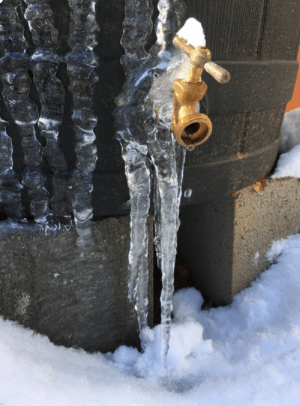
  • Open the barrel’s spigot and leave it open while not in use to avoid freeze damage to the hardware of the barrel.
  • Rinse the interior of the barrel. Now is a good time to clean the barrel of sediment build up that occurs in many rain barrels during the rainy season.
  • If you have the space, move the rain barrel to an indoor storage area to extend the life of your rain barrel. If you have no storage or prefer to leave your rain barrel outside, then be sure to turn the barrel upside down.
  • Cover your rain barrel with a tarp for additional protection. 

Draining Pool Water Safely

Have you drained your pool yet? If not, please consider the environment when you do. The water can be loaded with chlorine and other chemicals that are dangerous to fish and wildlife. Here are a few tips for safely disposing of pool water.

  • Dechlorinate the water. In the days before draining, stop adding chlorine.
  • Drain when the pH level is between 6.5 and 8.5. Use your regular testing kit to check the level.
  • If you are in a hurry, add sodium thiosulphate to neutralize the chlorine—but give it enough time to work. Follow the directions.
  • Not sure if you’ve dechlorinated for long enough? Let the water sit longer.
  • Drain over grass if you can.